TECHNOLOGY
Autonomous Cars May Soon Tell Us Why They Act
NVIDIA’s new reasoning-based AI aims to help autonomous vehicles explain their decisions, reshaping how safety, trust, and development are measured
4 Feb 2026
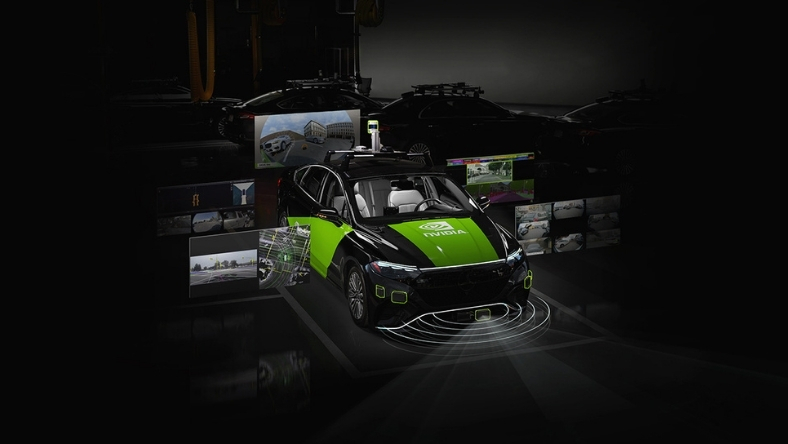
A new phase of artificial intelligence is reshaping how self-driving cars think and how the industry talks about safety. In early 2026, NVIDIA rolled out reasoning-based AI tools that signal a move beyond simple reaction toward systems that can explain their choices.
For much of the past decade, progress in autonomy came from perception. Cars learned to spot pedestrians, read traffic lights, and follow lanes. Those gains were real, but they hit limits in the messy middle of the road. Temporary construction, strange driver behavior, and rare edge cases still trip up systems built mainly to recognize patterns.
Reasoning-based AI aims to close that gap. NVIDIA’s newly introduced Alpamayo models are designed for research and development, not immediate production. Their value lies in how they help engineers understand the logic behind a vehicle’s decisions. Instead of a black box, developers can trace why a car slowed, swerved, or waited.
That shift matters. When decisions can be inspected, they can be tested and improved with more confidence. Researchers and mobility companies are already exploring how this approach could support safety validation and speed up development, even as timelines for real-world deployment remain uncertain.
The timing reflects a broader mood across the sector. Regulators want clearer answers about how autonomous systems handle rare and risky situations. Consumers, after years of bold promises, are still wary. Explainable reasoning offers a way to show not just what a vehicle does, but why it does it.
This focus on understanding also marks a change in competition. As perception gains become harder to squeeze out, smarter decision-making and stronger safety evidence are emerging as the next battlegrounds. That could shape partnerships, investment choices, and how quickly autonomy reaches everyday roads.
The hurdles are real, from heavy computing needs to unsettled standards for evaluation. Still, momentum is building. As self-driving cars inch closer to daily use, knowing the road may matter as much as seeing it.
Latest News
4 Feb 2026
Autonomous Cars May Soon Tell Us Why They Act25 Jan 2026
Kodiak and Bosch Put Self-Driving Trucks in Gear21 Jan 2026
Self-Driving Trucks Edge Closer to Everyday Reality15 Jan 2026
Freight First: AI Pushes U.S. Autonomy Into Action
Related News
TECHNOLOGY
4 Feb 2026
Autonomous Cars May Soon Tell Us Why They Act

PARTNERSHIPS
25 Jan 2026
Kodiak and Bosch Put Self-Driving Trucks in Gear
INNOVATION
21 Jan 2026
Self-Driving Trucks Edge Closer to Everyday Reality
SUBSCRIBE FOR UPDATES
By submitting, you agree to receive email communications from the event organizers, including upcoming promotions and discounted tickets, news, and access to related events.