INSIGHTS
Driver Assistance Becomes the Fast Lane for US Autonomy
US autonomy players are scaling driver assistance now while keeping full self-driving ambitions on a longer horizon
10 Jan 2026
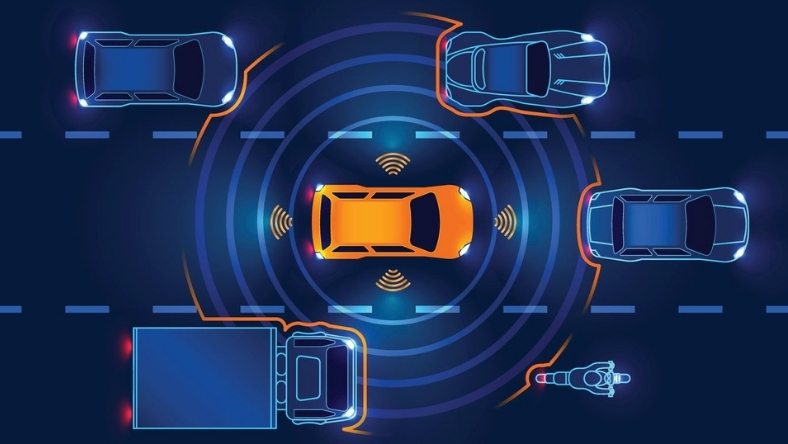
In America’s race to automate driving, ambition is being tempered by reality. Many firms now talk less about cars that drive themselves and more about those that merely help. Advanced driver-assistance systems (ADAS) are emerging as the industry’s most reliable source of progress and revenue, even as companies insist that full autonomy remains the end goal.
The shift is not a retreat so much as a recalibration. Regulatory caution, technical hurdles and fickle markets have slowed the march toward self-driving cars. In response, firms are backing technologies that can be sold today. A recent production deal between Mobileye and a large American carmaker, expected to put its driver-assistance software into millions of vehicles, illustrates the appeal. It is among the year’s biggest commercial wins in the sector and signals where momentum lies.
ADAS already steer, brake and manage speed. They do not free drivers from responsibility, but they offer tangible benefits such as better safety scores, incremental upgrades and features consumers understand. For carmakers, such systems help differentiate crowded product lines. For technology suppliers, they generate steady income and, just as importantly, vast amounts of real-world data.
This pragmatism reflects sober forecasts. Many analysts expect widespread Level 4 autonomy, cars that can drive themselves in most conditions, to arrive only in the 2030s. By contrast, driver assistance can be deployed now. Each update allows firms to refine software, sensors and how humans interact with machines, while building a track record regulators can scrutinise.
Politics and finance also matter. After several high-profile accidents, regulators have tightened oversight. Investors, chastened by earlier hype, want milestones that can be measured. Emphasising driver assistance offers a bridge between innovation and accountability, rather than a wholesale abandonment of autonomy.
There are risks. Critics warn that drivers may overestimate what these systems can do, with dangerous results. Others fear that comfort with partial automation could sap urgency for the harder task of full autonomy. Yet many in the industry argue that the path to driverless cars was always going to be gradual.
For consumers, the payoff is immediate, with cars that ease fatigue and avert some crashes. For firms, competition is sharpening as scale and partnerships decide winners. Autonomy’s promised future may still be distant. For now, assistance is what keeps the wheels turning.
Latest News
4 Feb 2026
Autonomous Cars May Soon Tell Us Why They Act25 Jan 2026
Kodiak and Bosch Put Self-Driving Trucks in Gear21 Jan 2026
Self-Driving Trucks Edge Closer to Everyday Reality15 Jan 2026
Freight First: AI Pushes U.S. Autonomy Into Action
Related News
TECHNOLOGY
4 Feb 2026
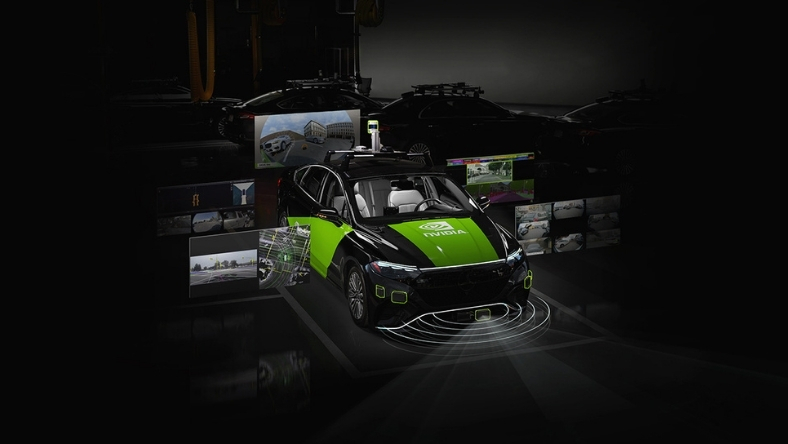
Autonomous Cars May Soon Tell Us Why They Act
PARTNERSHIPS
25 Jan 2026
Kodiak and Bosch Put Self-Driving Trucks in Gear

INNOVATION
21 Jan 2026
Self-Driving Trucks Edge Closer to Everyday Reality
SUBSCRIBE FOR UPDATES
By submitting, you agree to receive email communications from the event organizers, including upcoming promotions and discounted tickets, news, and access to related events.