TECHNOLOGY
Freight First: AI Pushes U.S. Autonomy Into Action
New alliances in trucking and driver assistance push autonomy from tests to trusted use
15 Jan 2026
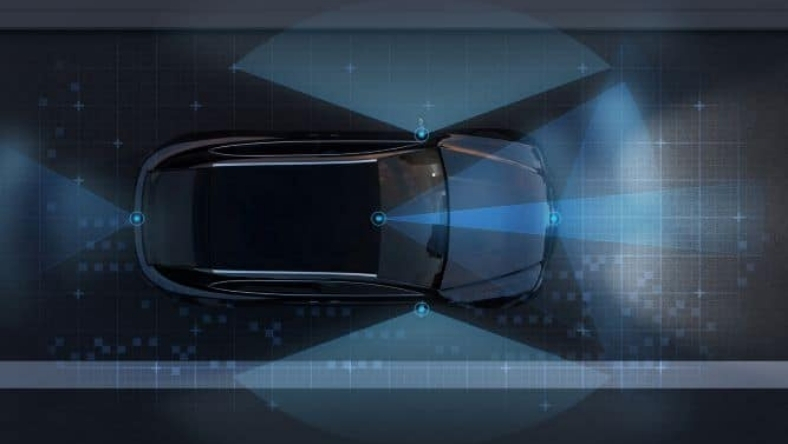
Artificial intelligence is beginning to move from experimentation to commercial deployment in the US autonomous vehicle industry, as new partnerships signal a focus on reliability and scale rather than headline-grabbing trials.
The freight sector is at the forefront of this shift. Kodiak AI, an autonomous trucking company, has expanded its collaboration with Bosch, the German engineering group, as the two seek to bring AI-driven trucking systems into routine use on US highways. The emphasis is on consistent performance in real operating conditions, a priority for regulators, shippers and logistics groups facing cost pressures and tight margins.
Long-haul trucking has emerged as a natural testing ground for autonomy. Compared with urban driving, highway routes are more predictable, while the industry continues to struggle with driver shortages and rising labour and fuel costs. Autonomous systems offer a way to ease these constraints, making freight transport one of the most viable near-term applications for vehicle automation.
Progress in passenger vehicles has been more gradual. Mobileye, the Israeli driver assistance company owned by Intel, has secured a contract with a major US carmaker to deploy advanced driver assistance systems across large fleets. These systems, which manage functions such as lane-keeping and emergency braking, are designed to improve safety while gradually acclimatising drivers to automated features. For carmakers, this approach limits risk while generating data to support further development.
The deals reflect a broader recalibration across the industry. High-profile setbacks and regulatory scrutiny have slowed some autonomous taxi projects, prompting companies to prioritise dependable technology, partnerships and clearer business models. Suppliers such as Bosch play a central role, integrating sensors, computing hardware and vehicle controls with AI software to meet increasingly strict safety standards.
Significant challenges remain. Regulators continue to proceed cautiously, public confidence is fragile, and rare but critical edge cases still test the limits of AI systems. Even so, momentum is building through incremental advances rather than sweeping claims.
The latest agreements suggest the US autonomous vehicle industry is entering a more mature phase, in which artificial intelligence is shaping commercial strategy as much as innovation. As freight operators, carmakers and suppliers align around practical deployment, autonomy is beginning to look less like a distant prospect and more like a technology already taking hold.
Latest News
4 Feb 2026
Autonomous Cars May Soon Tell Us Why They Act25 Jan 2026
Kodiak and Bosch Put Self-Driving Trucks in Gear21 Jan 2026
Self-Driving Trucks Edge Closer to Everyday Reality15 Jan 2026
Freight First: AI Pushes U.S. Autonomy Into Action
Related News
TECHNOLOGY
4 Feb 2026
Autonomous Cars May Soon Tell Us Why They Act

PARTNERSHIPS
25 Jan 2026
Kodiak and Bosch Put Self-Driving Trucks in Gear

INNOVATION
21 Jan 2026
Self-Driving Trucks Edge Closer to Everyday Reality
SUBSCRIBE FOR UPDATES
By submitting, you agree to receive email communications from the event organizers, including upcoming promotions and discounted tickets, news, and access to related events.