REGULATORY
New Rules Put Driverless Car Makers in the Hot Seat
New 2026 laws demand police access and direct liability from AV makers, shifting focus to safety and accountability
2 Dec 2025
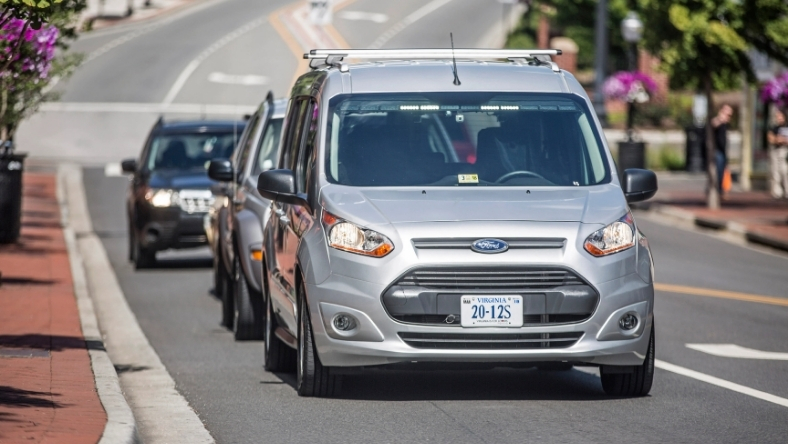
California is once again reshaping the future of autonomous vehicles. With new traffic and safety rules scheduled to take effect in 2026, the state is signaling that driverless cars are no longer novelties. They are part of daily life, and they will be regulated as such.
The changes reflect a clear shift in attitude. For years, autonomous vehicles operated in a gray zone, treated as rolling test projects rather than full participants in the traffic system. That era is ending. California’s message is simple: if a car drives itself, someone must still answer for what it does.
A key requirement focuses on communication. Fully autonomous vehicles will need two way systems that allow police officers and emergency responders to interact directly with a car that has no human driver. If a vehicle is blocking traffic or involved in an incident, authorities must be able to reach it, not just the company behind it.
Responsibility is also being redefined. Under the new rules, manufacturers can receive traffic violation notices directly when a driverless vehicle breaks the law. This closes a long standing gap that left regulators struggling to assign blame when software, not a person, was in control.
For companies operating in California, the stakes are high. The state remains a bellwether for autonomous policy, often influencing rules far beyond its borders. Waymo, which already runs driverless ride services, must show its systems can handle real world enforcement at scale. Zoox faces pressure to bake compliance into its custom built vehicles before broader rollout.
Tesla, pushing deeper into automated driving, will have to demonstrate that its approach fits within stricter oversight.
Industry analysts see the move as overdue. Autonomous vehicles are being treated less like experiments and more like ordinary road users, with the same expectations of safety and accountability.
The ripple effects go beyond engineering. Companies will need teams and processes ready to respond to citations and coordinate with public agencies. That adds friction, but it also brings clarity.
As driverless cars inch closer to the mainstream, California is drawing a firm boundary. The future of autonomy will not be judged only by how fast it advances, but by how responsibly it fits into the rules of the road.
Latest News
4 Feb 2026
Autonomous Cars May Soon Tell Us Why They Act25 Jan 2026
Kodiak and Bosch Put Self-Driving Trucks in Gear21 Jan 2026
Self-Driving Trucks Edge Closer to Everyday Reality15 Jan 2026
Freight First: AI Pushes U.S. Autonomy Into Action
Related News
TECHNOLOGY
4 Feb 2026
Autonomous Cars May Soon Tell Us Why They Act
PARTNERSHIPS
25 Jan 2026
Kodiak and Bosch Put Self-Driving Trucks in Gear
INNOVATION
21 Jan 2026
Self-Driving Trucks Edge Closer to Everyday Reality
SUBSCRIBE FOR UPDATES
By submitting, you agree to receive email communications from the event organizers, including upcoming promotions and discounted tickets, news, and access to related events.